National Slowing Of Housing Market Forecasted Ahead
Veros Real Estate Solutions (Veros®) released its Q2 2025 VeroFORECAST. The forecast projects an average nationwide home price appreciation rate of 2.2% over the next 12 months.
VeroFORECAST evaluates home prices in over three hundred of the nation’s largest housing markets, and Veros is committed to the data science of predicting home value based on rigorous analysis of the fundamentals and interrelationships of numerous economic, housing, and geographic variables pertaining to home value.
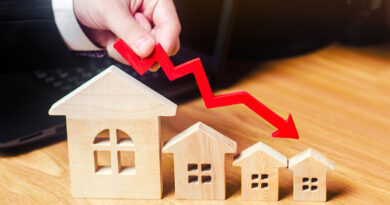
The U.S. housing market continues to face headwinds in mid-2025 as elevated mortgage rates, stubbornly high home prices, and rising economic uncertainty create a difficult environment for buyers and sellers alike.
The housing market appears to have hit a pause button as affordability is forcing home buyers to step aside. Mortgage rates continue to hover above 6.6%, and while that’s lower than the peaks seen in late 2023, it remains well above the historically low rates that buyers had grown accustomed to in the past decade. Combined with still-high home prices in many markets, monthly payments for new buyers are pushing well beyond comfortable limits. The average monthly mortgage payment is up 35% compared to 2021 levels for the same home price, purely due to the jump in interest rates. This has significantly narrowed the pool of qualified buyers, especially first-time homeowners and those without substantial savings or equity from an existing property.
One of the few bright spots in the market is a gradual increase in housing inventory. After years of historically low supply, new listings are starting to appear in greater numbers. In some markets—particularly in parts of Florida, Texas, and the Southwest—inventory has risen meaningfully due to a combination of new construction completions and slower sales activity. However, the rise in supply has not translated into price relief for buyers. Many sellers remain reluctant to lower asking prices, especially those who locked in mortgage rates below 4% during the pandemic and feel no urgency to move. This disconnect between what buyers can afford and what sellers expect continues to stall transactions, leaving the market in a frozen state.
Adding to these challenges is a broader sense of economic uncertainty driven by geopolitical tensions, market volatility, and unpredictability in policies. Further, while inflation has cooled from its 2022 highs, it remains above the Federal Reserve’s long-term target. Job growth has slowed, and the labor market is showing signs of weakening. As a result, many potential buyers are holding off on major financial decisions like home purchases, unsure of where the economy or their own finances are headed.
As we head into the second half of 2025, the housing market shows no signs of a quick rebound. Until mortgage rates decline meaningfully or incomes catch up with housing costs, affordability will remain a central issue. Buyers and sellers alike are proceeding cautiously, waiting for the next signal from the broader economy.
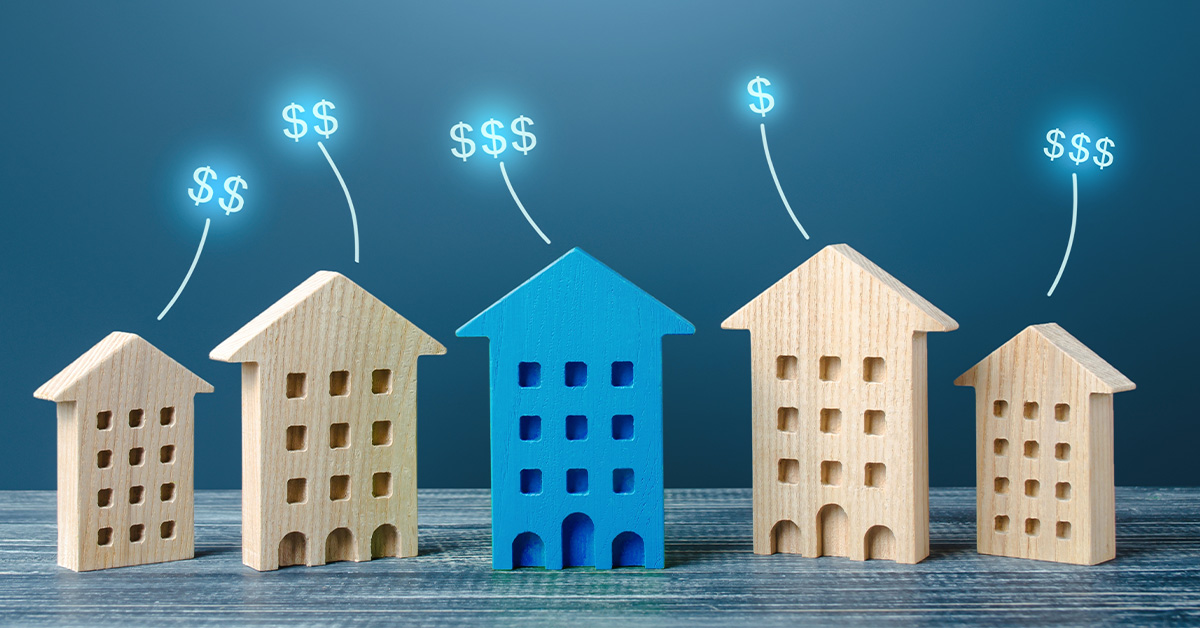
Despite the broader national trends, real estate remains highly regional. While some markets in the Northeast and Midwest remain competitive due to tighter inventory and relatively affordable pricing, others—particularly previously fast-growing Sunbelt metros—are seeing softer conditions with homes lingering longer on the market and price cuts becoming more common.
The top ten housing markets projected for the coming year include Rockford, Springfield, and Bloomington in Illinois; Reading and York in Pennsylvania; Rochester and Buffalo in New York; Hartford, Connecticut; and Topeka, Kansas. These smaller metros have emerged as top performing markets due to a combination of relative affordability and growing buyer interest from those priced out of larger, more expensive urban centers.
The ten weakest housing markets are in Florida and Texas, where rising inventory levels, softening demand, and affordability pressures are weighing heavily on market activity. In some of these metros, a surge in new construction has outpaced buyer demand, leading to longer time on market and increasing price cuts. Additionally, elevated insurance costs, especially in coastal areas, and persistently high mortgage rates have further strained affordability, discouraging both local and out-of-state buyers.

The Place for Lending Visionaries and Thought Leaders. We take you beyond the latest news and trends to help you grow your lending business.