Why Investors Need Better Analytics Now
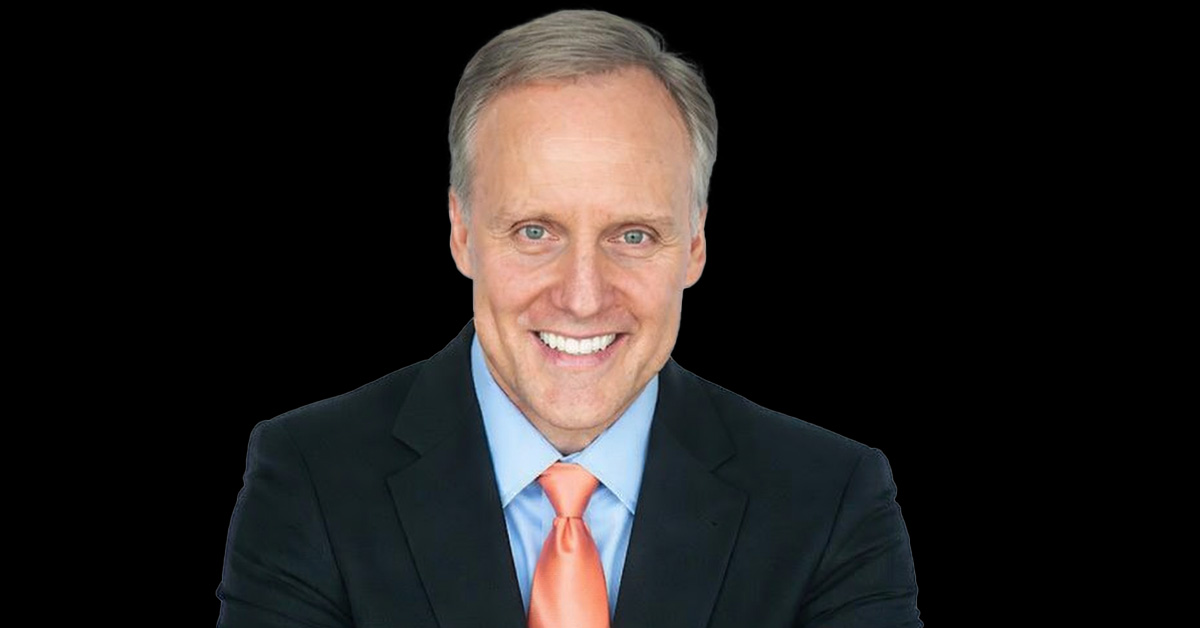
Tom Simon, CEO of Exceleras, recently directed his company’s developers to build new software to help investors better manage their portfolios. We sat down with him to find out how this part of the industry is changing and what investors are considering to deal with this challenge.
QUESTION: There’s been a lot of discussion lately about the role of investors in housing. From your perspective, what’s really driving the need for new approaches in REO and distressed asset management?
TOM SIMON: The real driver isn’t politics or policy. It’s economics and market structure.
Over the past several years, we’ve seen a clear shift in who is buying mortgage assets and why. Hedge funds, private equity firms, and institutional investors are increasingly purchasing loan pools, and virtually all of those pools contain some level of underperforming or non-performing loans. That reality changes the expectations placed on servicers and asset managers.
Historically, many institutions viewed distressed assets as liabilities, something to move off the balance sheet as quickly as possible. Speed mattered more than precision.
Today, that mindset is evolving. These assets are increasingly viewed as investments that require active optimization, not just liquidation. Investors still want velocity, but they also want fair pricing, better decision-making, tighter cost controls, and ultimately stronger returns.
QUESTION: How does that shift, from “liability removal” to “value optimization,” change the role of the asset manager?
TOM SIMON: It fundamentally elevates the role. Asset managers have always done difficult, complex work. But the industry historically rewarded task completion and compliance more than strategic decision-making.
Today’s investors are asking different questions. They want to understand why a property was priced a certain way, why a particular disposition path was chosen, and how those decisions impacted final net proceeds.
That requires moving beyond closing files efficiently and toward creating value intentionally. It means giving asset managers better visibility into portfolio performance, pricing accuracy, days-in-state exposure, and cost drivers, so decisions are informed, not reactive.
QUESTION: What does “managed correctly” actually mean in practice?
TOM SIMON: It starts with visibility and accountability. Managing distressed assets well requires understanding not just what tasks are completed, but how assets are performing, both individually and across a portfolio.
That includes clarity around days in inventory, valuation accuracy, price-to-market alignment, and how holding costs are accumulating over time.
It’s not about slowing things down. It’s about making better decisions earlier, so properties can be sold efficiently, at fair prices, with fewer downstream corrections.
QUESTION: How does this tie back to the broader theme of “From Closing Files to Creating Value”?
TOM SIMON: That phrase captures the transformation we’re seeing across the industry. Closing files will always be part of the job. Compliance, timelines, and execution matter. But they’re no longer sufficient on their own.
Investors want partners who understand that every decision, including pricing, repairs, timing, and channel, has a measurable financial impact.
Creating value doesn’t mean holding assets longer or overengineering strategies. It means aligning speed with accuracy, discipline with insight, and execution with outcome.
QUESTION: What role is technology playing in this trend?
TOM SIMON: This evolution is being accelerated by technology that informs decision-making and makes asset and portfolio-level performance visible in real time. It also offers the ability quickly triage lagging assets, and change tactics when necessary to accelerate action and optimize performance.
Asset managers, whether in-house with the investor or outsourced, must be able to connect operational execution with financial outcomes. They need to see and understand the impact of days in inventory, pricing effectiveness, cost leakage, vendor and overall portfolio performance, and workflow aging across portfolios.
This means replacing static reports and opinions with dynamic insight-informed decisions. Technology now exists to make this data accessible and significantly more valuable.
Importantly, these platforms do not replace asset managers. They differentiate them.
QUESTION: Why does this matter now?
TOM SIMON: Asset managers who delay adapting may find their roles narrowing rather than expanding.
Portfolio owners who continue to evaluate service providers primarily on cost may discover too late that savings in fees often translate into losses in return.
Asset managers who cannot differentiate themselves will quicky become obsolete. And, AI will significantly accelerate this trend.
QUESTION: Some asset managers may worry that this level of transparency creates more scrutiny. How do you see it?
TOM SIMON: I actually see it as an opportunity. Transparency, when done well, elevates professionals. It gives asset managers the ability to demonstrate judgment, consistency, and impact, not just activity.
It also helps investors understand tradeoffs, rather than second-guess outcomes after the fact.
It’s about shared understanding, between investors, servicers, and asset managers, of what’s happening inside a portfolio and why certain decisions are being made.
That alignment builds trust, and trust is ultimately what drives long-term partnerships.
QUESTION: Final thought, what would you say to individual asset managers and portfolio owners navigating this shift?
TOM SIMON: I’d say this is an opportunity to redefine the profession.
Asset managers who understand both execution and economics, who can move fluidly between workflows and outcomes, will become indispensable.
For investors and portfolio owners, the shift requires rethinking how asset management partners are evaluated. Don’t just ask whether tasks are completed, but how decisions are made. Look for partners who can explain variance, anticipate risk, and demonstrate impact on return. Reward transparency rather than punishing escalation.
The strongest relationships will be those built around shared accountability for outcomes.
The industry is moving away from a model that rewards quiet execution and toward one that values visible impact. Those who adapt will find greater autonomy, higher compensation, and longer career relevance. Those who do not may find themselves managing fewer decisions with less influence.
This is a moment where the industry can raise the bar—not just for returns, but for how value is created across the housing ecosystem. That’s an exciting place to be.
INSIDER PROFILE
Tom Simon is the Chief Executive Officer of Exceleras, where he is leading a fundamental shift in how distressed real estate assets are managed. Under his leadership, Exceleras is evolving REO asset management from transactional, task-based workflow toward intelligence-driven decision support that helps investors and asset managers optimize return on assets managed. Through platforms such as Investor View™, Tom is focused on elevating the role of the asset manager from file processor to performance owner.
Tom brings more than 25 years of experience helping organizations build talent, elevate performance, and lead through complex change. He has held senior executive roles including Chief Talent Officer and Chief Learning Officer, working closely with CEOs and executive teams across multiple industries to align strategy, culture, and execution. His work has consistently emphasized improving sales effectiveness, accelerating time-to-productivity, strengthening leadership capability, and driving measurable business results through disciplined talent and performance systems.

The Place for Lending Visionaries and Thought Leaders. We take you beyond the latest news and trends to help you grow your lending business.